The sun rises again for tourism after the longest winter and now what?
Cruise ships in the harbour once more? Aimless visitors back in our seaside village with that expression that says when does the fun start? Freedom campers parked up for comfort stops in our picturesque native bush?
Maybe there won’t be much of anything for a while. But once the turnstiles are spinning again will we just be back where we were, asking if we have this right?
I’ve been thinking about Kiwi eggs getting kidnapped, and the future of tourism.
Maybe you saw the story about Simon Hall, CEO proprietor of Tasti foods, friend to many Kiwi.
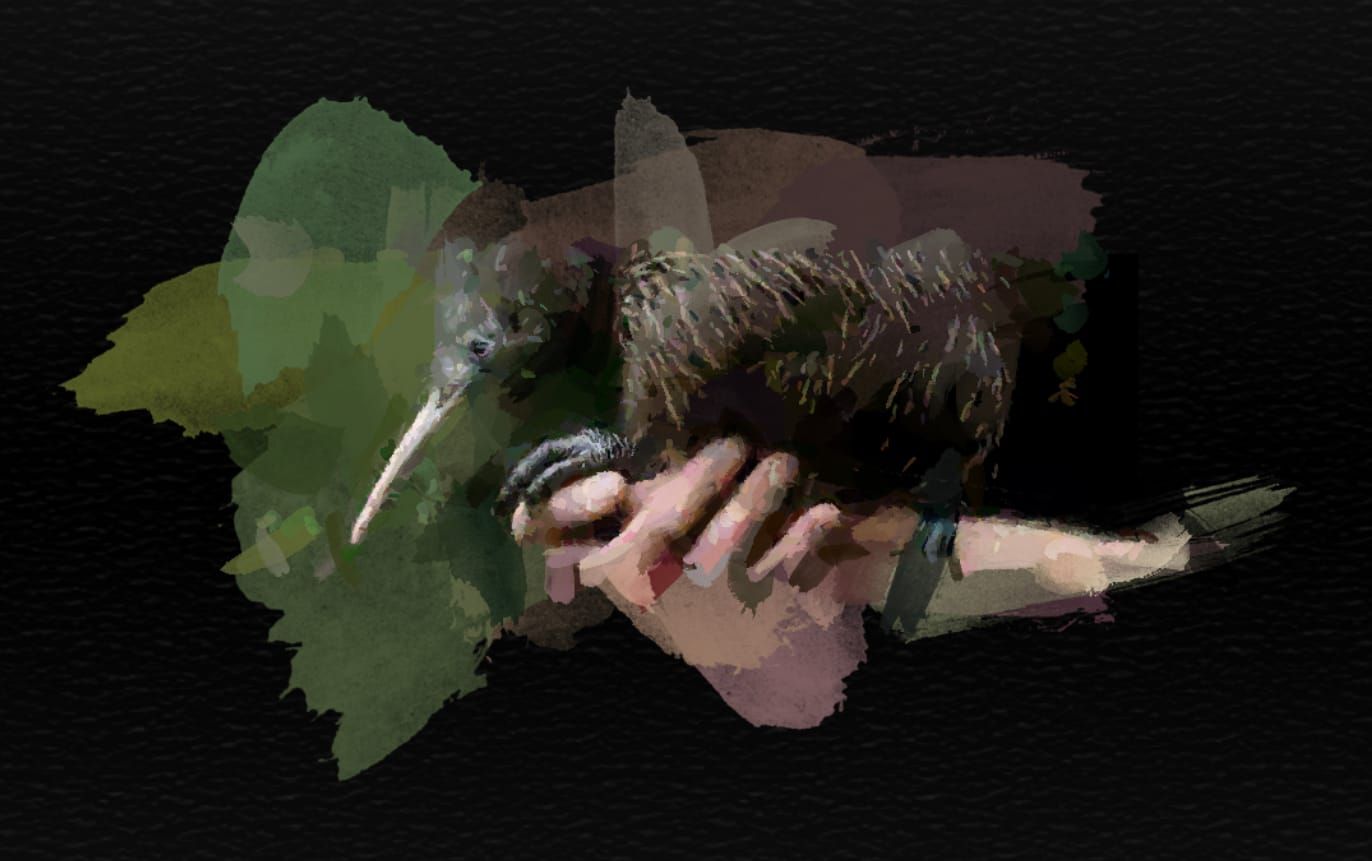
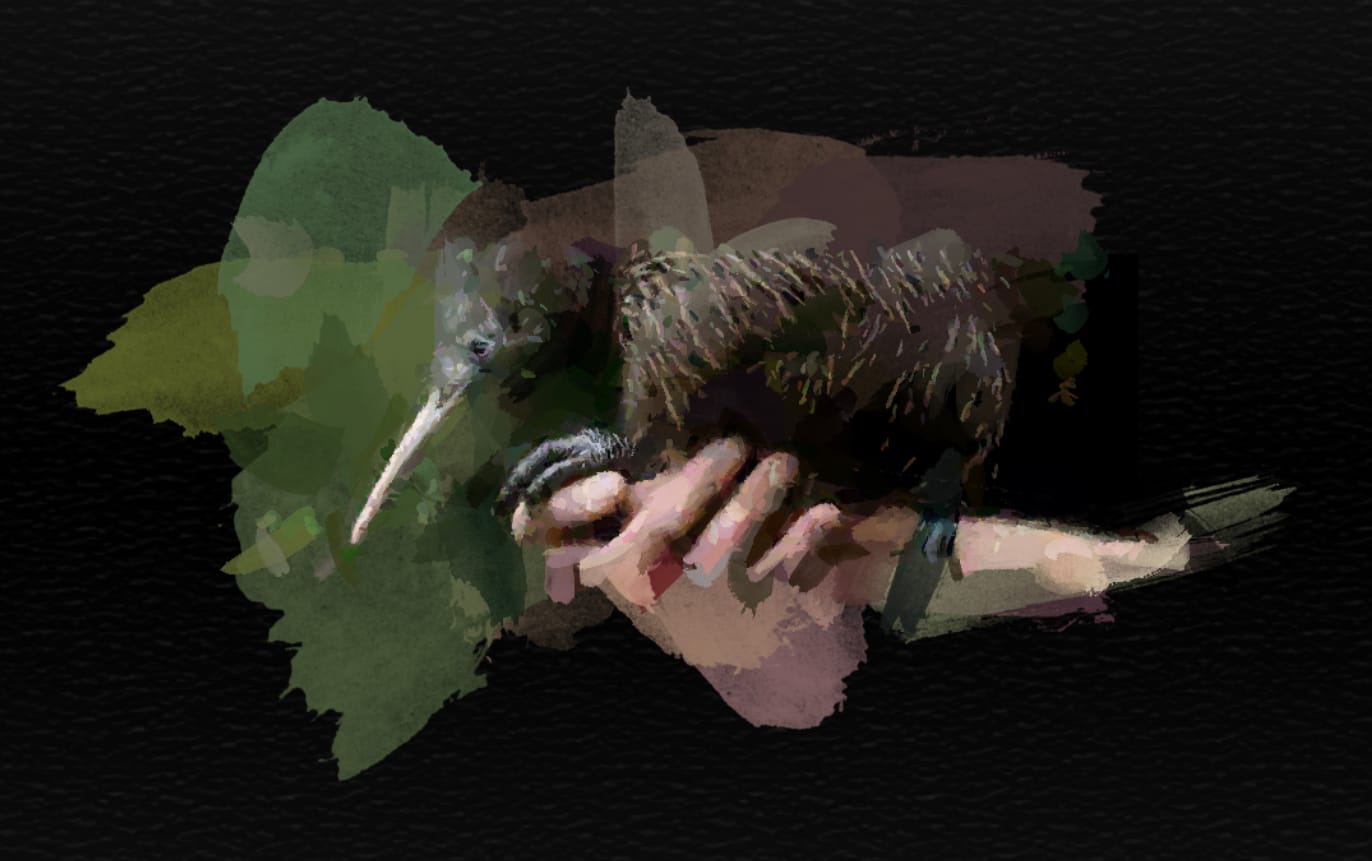
$12 million is what he’s spent so far on his Kiwi sanctuary, thousands of hectares where a Kiwi stands a decent chance of being protected and tracked, having its nest monitored and ten days before hatching, the egg kidnapped.
In every shimmering nature story some creature has to suffer. Poignant to hear Hall describing footage of the Kiwi returning to its nest to find its egg missing, and looking “pretty sad”.
But this is for the best. There’s only a 5% chance of the Kiwi inside that egg making it to adulthood if it’s left there.
Kidnap it ten days before hatching and take it swaddled in blankets into a hatchery and then to a crèche, the prospects are vastly better.
Tracking Kiwi in the still of the night! Kidnapping eggs and carrying them to safety! Who wouldn’t love to be a part of this? If you work at the Tasti factory in Te Atatu you get to do just that. 100 of the 300 staff have already. Some have expressly joined for the chance of getting close to Kiwi.
Let me now join the dots to something I was writing about earlier on in the pandemic, making our tourism altogether different and special. Why not make conservation the whole idea? Why not make our conservation activities actual tourism activities? Why not make conservation the beating heart of the entire tourist experience?
My proposition was: fund the hell out of The Predator Free 2050 programme it and make it an actual tourism experience all of its own
Come help run a trap line!
Become a donor!
Buy the naming rights to this bird so we can fund her protection and come walk this track and see if you can spot her!
Come buy another trap and put your name on it!
Come and place it on the trail along this track!
Now I’m thinking, let’s add:
Kidnap a Kiwi egg!
Help at a Kiwi crèche!
Come into the bush and track Kiwi!
We become the country where you get to be actively involved in this. It becomes the defining way you visit this country, active engagement, not mindless consumption.
We tell our visitors: by making this land predator free, we will one day once more have a dawn chorus of native birds so loud you can't hear yourself think. The experience will be out of this world. Come and help us make it real. And one day come back and hear it.
Sure, have at it with the adventure stuff. But this could be special if we made it our own.
I’m also thinking about how you might wind this all the way through our quiet backblocks. To refrain from reader Terry last week, riding in the Tour Aotearoa:
There seems to be a generosity of spirit we don’t always experience in the big cities. Liz reckons it’s this that is why so many tourists rave about New Zealand. There’s a less frenetic pace too and it genuinely is nice to be out of news/Twitter contact and just focus on getting from A to B. We’ve taken quite a few back country roads and drivers have been patient and almost invariably give us a wave as they go by.
Terry also wrote about what’s very apparent in the back blocks:
Owners and proprietors of tourism businesses in these remoter areas seem prepared to work a lot harder for their customers rather than just expect everyone to turn up on demand. (Looking at you Queenstown).
We have the makings of a full cycle trail runniing the full length of the country now through so many quiet beautiful places. If we could wind active conservation experiences - ones where you’re actually involved and helping - into a rolling tour of the country on a bike, we could be offering something magical.
You make something magic, you also maybe make some headway on a problem that has seemed too hard for too long, which Terry also mentioned:
The obvious near total abandonment of the regions by central governments of both hues over the past 30 years. There was no cellphone coverage at all at Pipiriki and all the way down the Whanganui valley until the top of Gentle Annie. Internet and cell phone coverage is patchy in the areas of Northland we passed through. It’s not hard to think of them as abandoned and it’s also not hard to see why Northland has been a breeding ground for the anti-vaxxers.
I’m imagining not just the people who take you into the bush to take part in the trapping and the tracking and the building and the egg swaddling, I’m imagining guides and hosts and hard-case yarners and storytellers who make our guests welcome, charm them, entrance them and inspire them with our conservation plans.
So much damn possibility, especially if we invest properly in DOC to employ a conservation corps of people to get rid of every last pest and plant native trees and restore critical habitats.
Oh, once you start you can’t stop. How about, in a future where synthetic meat has upended everything we knew about making a living from farming, we reorient that farming expertise not only to plants but also to filling our forests with birds.
It’s all possible; so much is possible, assuming we don't hit a nuclear winter first or a deadlier pandemic. And also assuming we somehow manage to work out how to reach agreement about doing even the smallest new thing.
Don't want to end on a downer. Let me share the words of another friend and MTAF reader Sue Lees who posted this yesterday. This right here is what I’m thinking about.
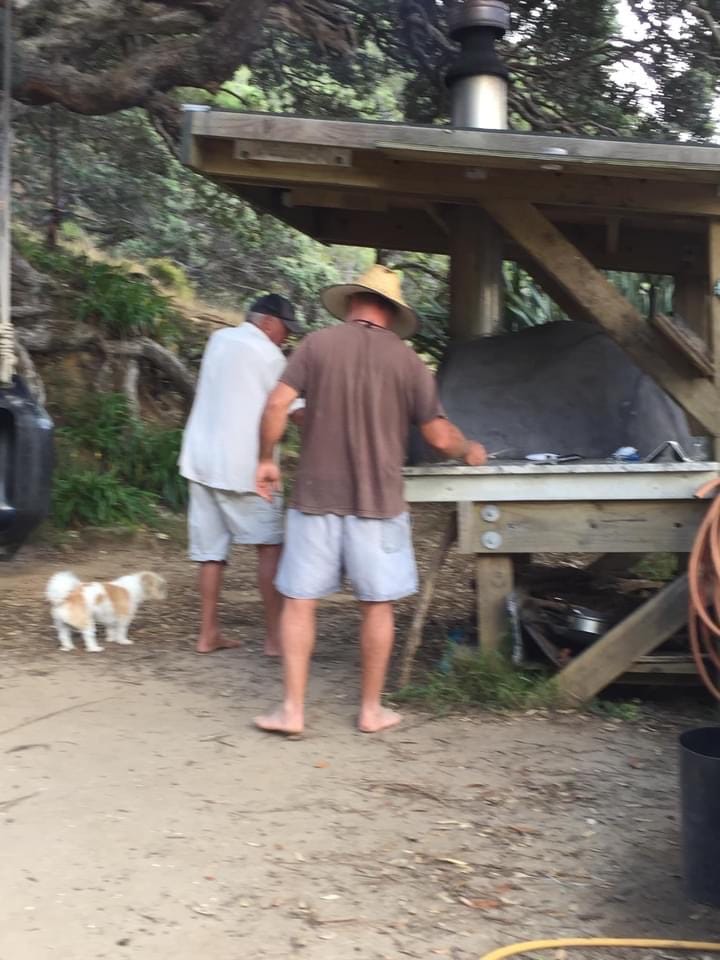
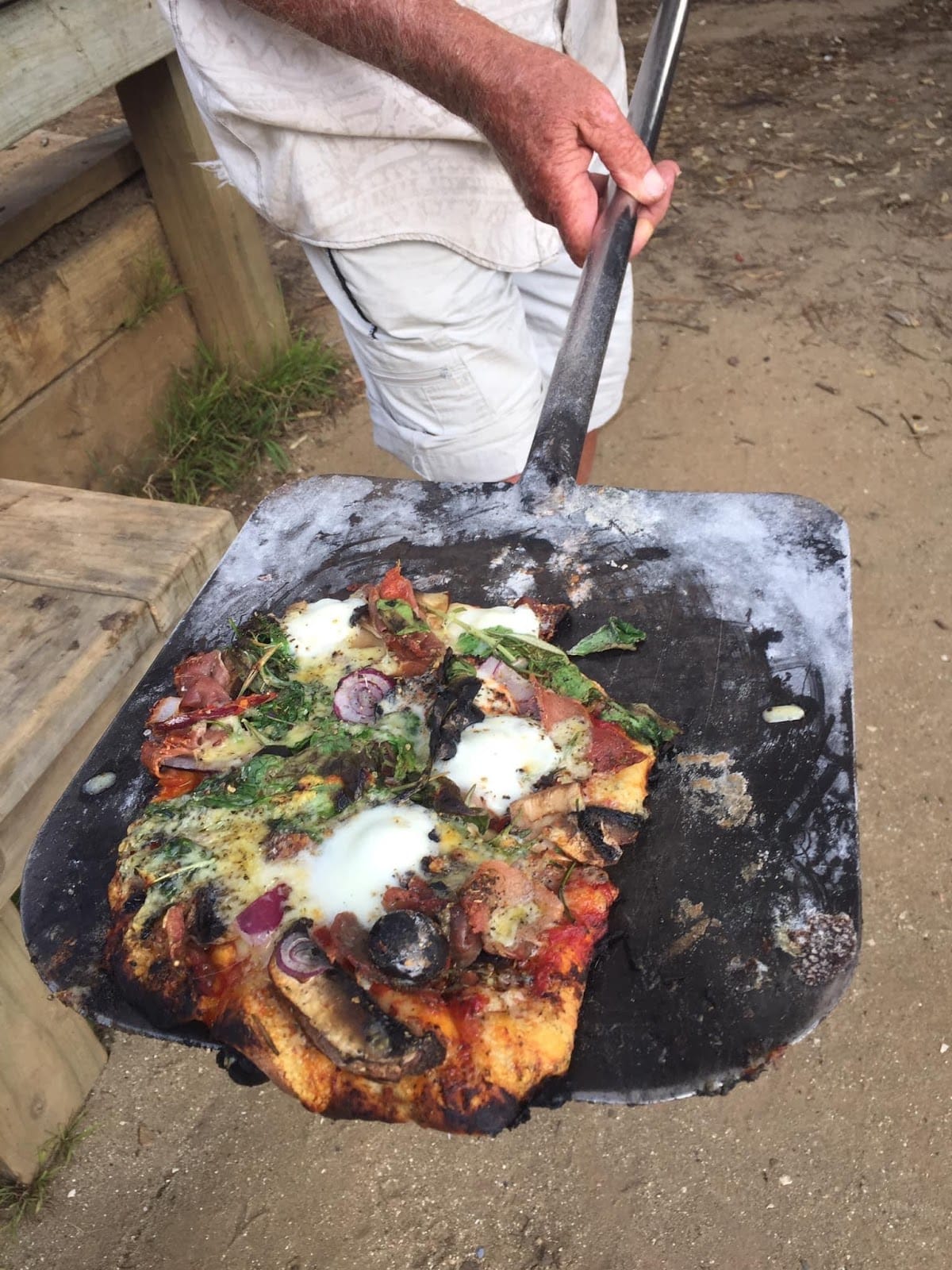
Smokehouse Bay, Great Barrier Island is one of those Kiwi culture gems. While the smokehouse, bathhouse, laundry, pizza oven are wonderful and freely available to all- that’s not the magic. It is in this increasingly isolated world folk arrive as strangers and leave as friends.