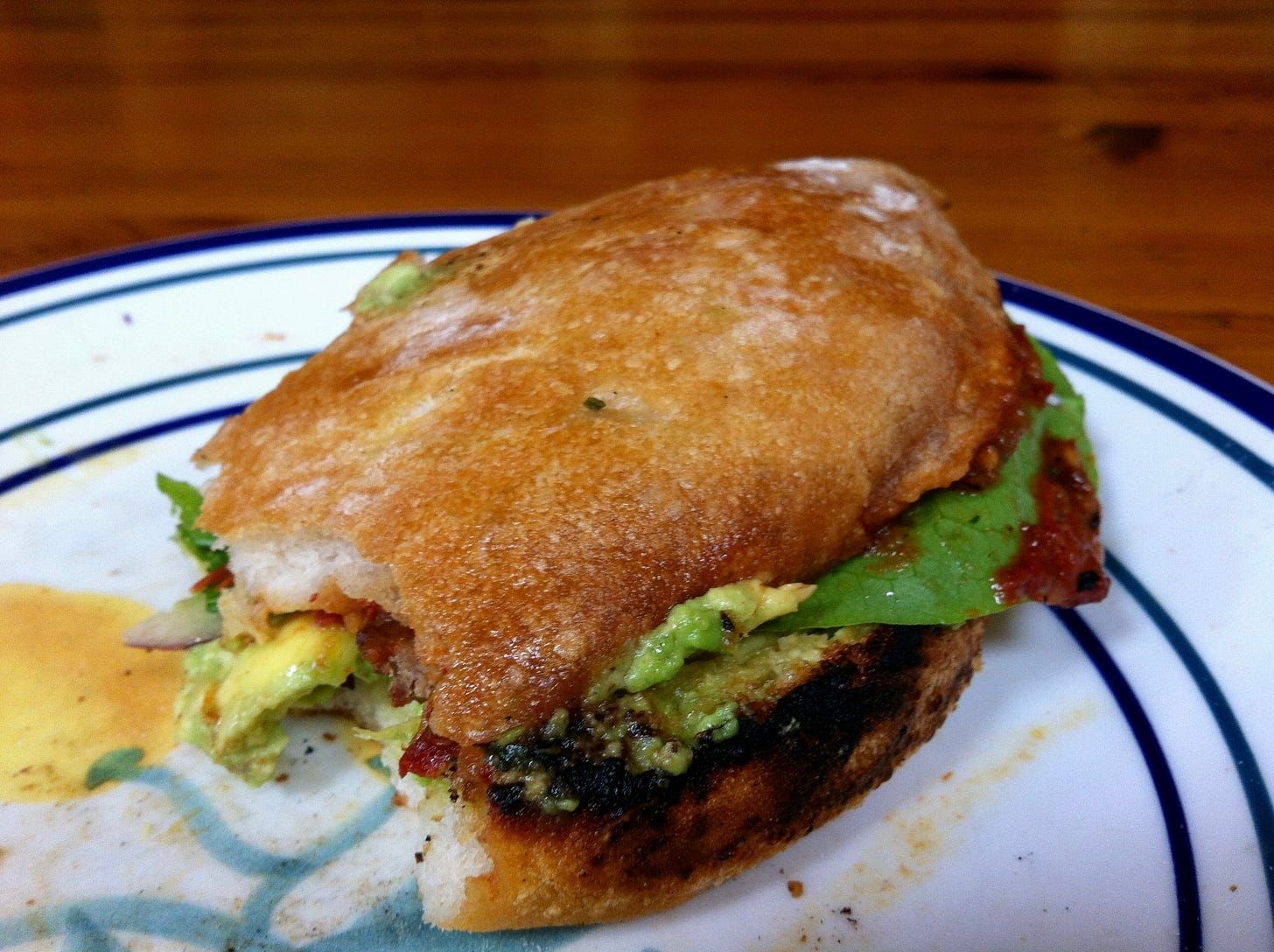
I have been pulling at a thread that began with something Mimi Gilmour said as she explained why her Burger Burger was in receivership. To make the sums work, she said, she’d have to charge thirty dollars a burger, and you can’t sell a burger for thirty dollars.
You could say, well no, I’d never pay that, it’s just a burger ffs, but the thread I’m pulling on is a longer one, beginning with the question: what might this tell us about the economy, and is it getting just too bloody hard to make things add up?
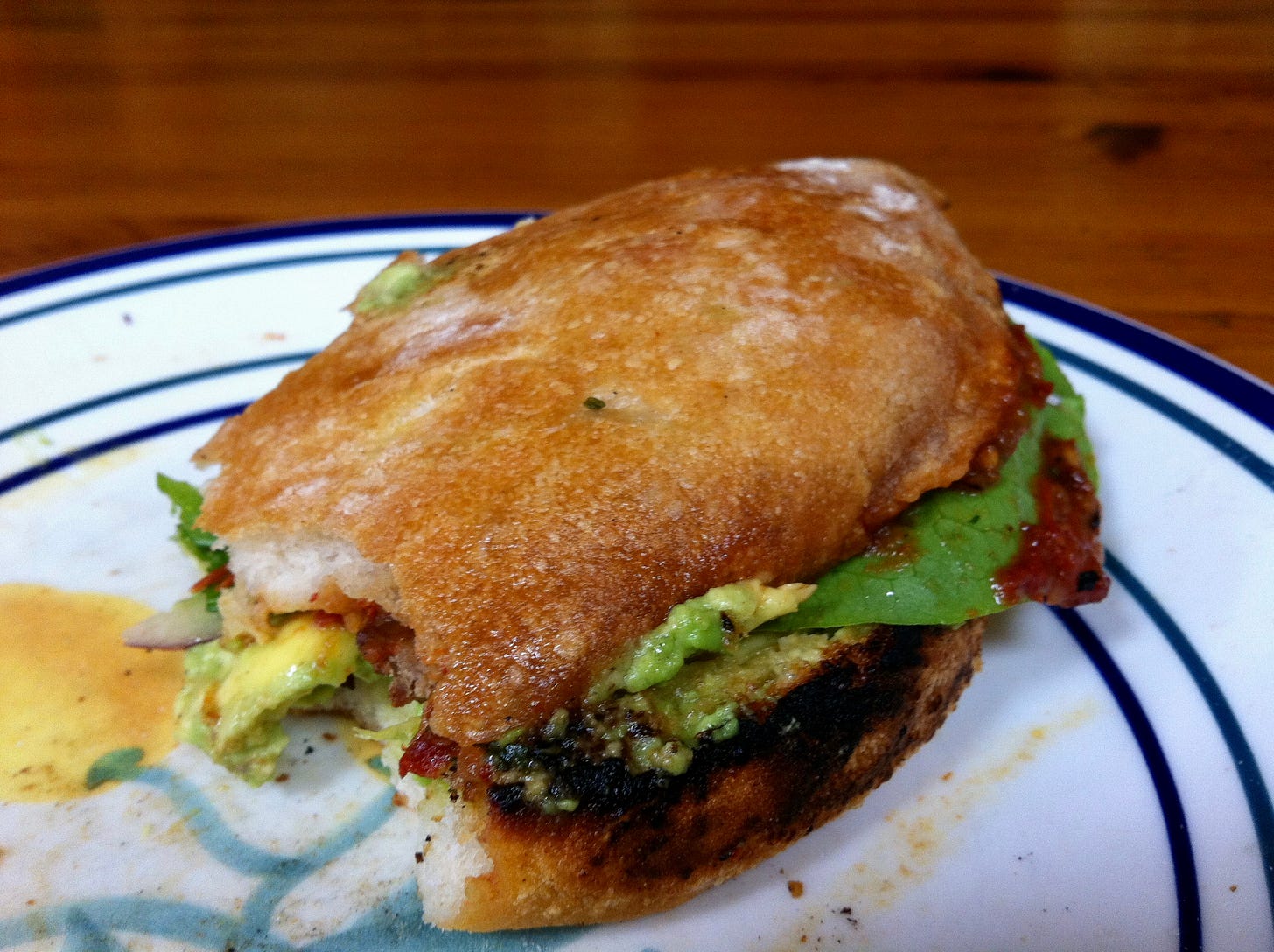
Go on then, let’s build that burger. First, take your oxen.
Beef mince — you know, mince, the cheapest of all our shopping options — has been at prices like $25 a kilo this year. Lord. Might this be the steepest annual rise since Stats NZ began the series two decades ago? Yes indeed it is.
How come? Because we export 80% of our beef and the United States is rebuilding a depleted herd, apparently. What we see here is our old friend supply and demand at work. You sell your product for whatever the market will pay. So you compete at the supermarket against American feedlots for a little plastic tray of ground beef.
Our cattle farmers are making good money, but that’s making a gourmet burger in Ponsonby much more costly.
What else goes into making your burger? A burger joint needs a roof, and the roof comes with rent, and folded into the rent are the rates, and underneath the rates sits the land.
And that doesn’t come cheap, thanks to a mania for property investment that ensures the cost of occupying any space at all is onerous.
The trade has a rule of thumb: keep rent under about a tenth of your takings, or the maths stops working, and once you’ve crossed it, no amount of good cooking will pull you back.
I can’t locate an exact current New Zealand number for that, but I do have Australia’s. Their operators run rent at eight to twelve percent of turnover, against an American or British ideal nearer five to eight. And every reason it bites them would surely bite harder here, wouldn’t you think? A smaller market, even thinner crowds; the rent too high, the takings too thin.
Hospitality tops the liquidation lists not only because it costs too much to run, but because the punters can’t afford to come out. Four in ten of us say we’re dining out less than we were; only two in ten Australians say the same.
Let’s pull that thread a bit more. Why can’t we afford to come out?
The incomes of many of us, compared to preceding decades and adjusted for inflation, are ratshit. We are working harder, for less.
And why? It has long been cheaper here to hire another pair of hands than to buy the fancy machine. The owner who’d sooner have the bach and the boat than the debt and the scale doesn’t buy the gleaming German technology, he hires Connor and Tom and Liv and takes the path of least resistance.
This economy has always treated you better if you buy property and wait than if you try your chances on some innovation or a new enterprise.
This economy has always treated you better if you buy property and wait than if you try your chances on some innovation or a new enterprise.
We pour our capital into bidding up land and starve the clever, exporting firms that would lift wages and let a household afford a burger priced at what the world will pay.
So what’s our thread pulled out so far? Unaffordable burgers, unaffordable rent, ratshit pay, and an economy that stays jammed on exporting fodder and making tax-free money off houses.
And that, when you stand back, is how the joint runs. We sell the world a narrow band of stuff and we show its visitors a good time, and that pays for the iPads and the medicines, just. The rest of us take in each other’s laundry. Which is a functioning economy, yes, but a pale imitation of the one it could be.
If that is the shape of it — the meat priced by the world, the rent priced by our mania for property, the takings thinned by a country that can no longer afford itself, and beneath all of it a productivity problem we have nursed for forty years — then the conclusion more or less draws itself.
And this is essentially what Sir Paul Callaghan was showing us when we still had him.
Prosperity, he argued, lay in the weird, clever, hard-to-copy stuff, the niches the giants can’t be bothered with. Just a hundred inspired entrepreneurs might well be enough to turn things around, if we were to make it a place where talent wants to live.
But did we? LOL. Did we, fuck. Next slide please. Dairy volumes rose another fifth, tourism doubled down, and the agency that carried his name was wound up in 2025 by a government that cut science funding while telling the lab coats to hurry up with something market-ready. Show us the money, Einsteins.
Everything the $30 burger reveals is the bill for not listening. We are still working harder for less, still waiting for the light to come on. Paul Callaghan’s prescription is as right today as it was then. That is to say:
You don’t try to get the price of beef down, you try to sell so much other good stuff that you’ve got the money to pay for good steak.
In other words, you stop choosing to be poor by sticking to what you’re already doing. You diversify, diversify, diversify the economy the way we’ve been promising to for as long as I’ve been reading about this stuff. And you do it at scale, because we already have plenty of talent and accomplishment; what we don’t have is the grunt to drive it.
And maybe I remain naive and fanciful, but I do wonder if a 21st century Aotearoa wired up with an absolute abundance of renewable energy might just be what we need to flip the switch on all this.
Because once you get that humming, you would not believe how much easier everything else gets.
We’ve got Greens pitching the tax regime we needed since ages ago bro, and National finally finding Jesus on KiwiSaver, and hallelujah. If you want to give both of those things the nicest possible tailwind, please see immediately above.