Better quicker ways to fix our great big power supply problem
Nothing says From The Desk of Nicola Willis quite like building the most expensive solution your own consultants warned you against.
To recap:
The Government commissions a report into our energy crisis.
The report says here are some ideas, but please note that several of these could actually make things worse.
The peer reviewers say yes, those ones will definitely make things worse.
And the Government says excellent, let’s do those ones.
On the LNG terminal
Frontier Economics (the Government’s own consultants): This is a last resort. The fixed costs are enormous. You’ll be exposed to volatile global gas prices. It won’t be as cheap as domestic gas.
Government: Perfect, we’ll start the tender process next week.
On whether state-owned power companies need more capital
NERA (the peer reviewers): There’s little evidence this is actually a problem. Contact Energy, which the Government doesn’t own, has the highest debt-to-asset ratio. Maybe this isn’t the constraint you think it is?
Government: We’ve written to our power companies confirming they can borrow more.
On non-discrimination rules and breaking up the gentailers
Frontier Economics: These measures will impose higher electricity costs on consumers and industry. If you force generators to offer the same prices internally and externally, they’ll just raise prices across the board. Splitting them up removes their hedging capabilities, increases their costs, and guess who pays for that?
Government: Sounds great, let’s do both.
What we could do instead
Yes we do indeed have a bloody big problem that needs to be sharply and effectively addressed. Yes, we do indeed need backup generation.
The question is: what’s the fastest, cheapest way to solve it?
According to their own report, an LNG terminal is the slowest and most expensive option. It will take 3-5 years to build. It will have enormous fixed costs spread over relatively little use. It will expose us to global gas price volatility. And by the time it’s operational, we could have built actual renewable alternatives.
Might there be faster, cheaper options that don’t involve locking ourselves into fossil fuel infrastructure for the next 30 years? I’m glad you asked.
Grid-scale battery storage can be deployed in 12-24 months. Tesla built South Australia’s Hornsdale battery—150MW—in 100 days. That was in 2017. The technology has only improved since then. Batteries store excess renewable energy when we have it and discharge during peaks or dry spells.
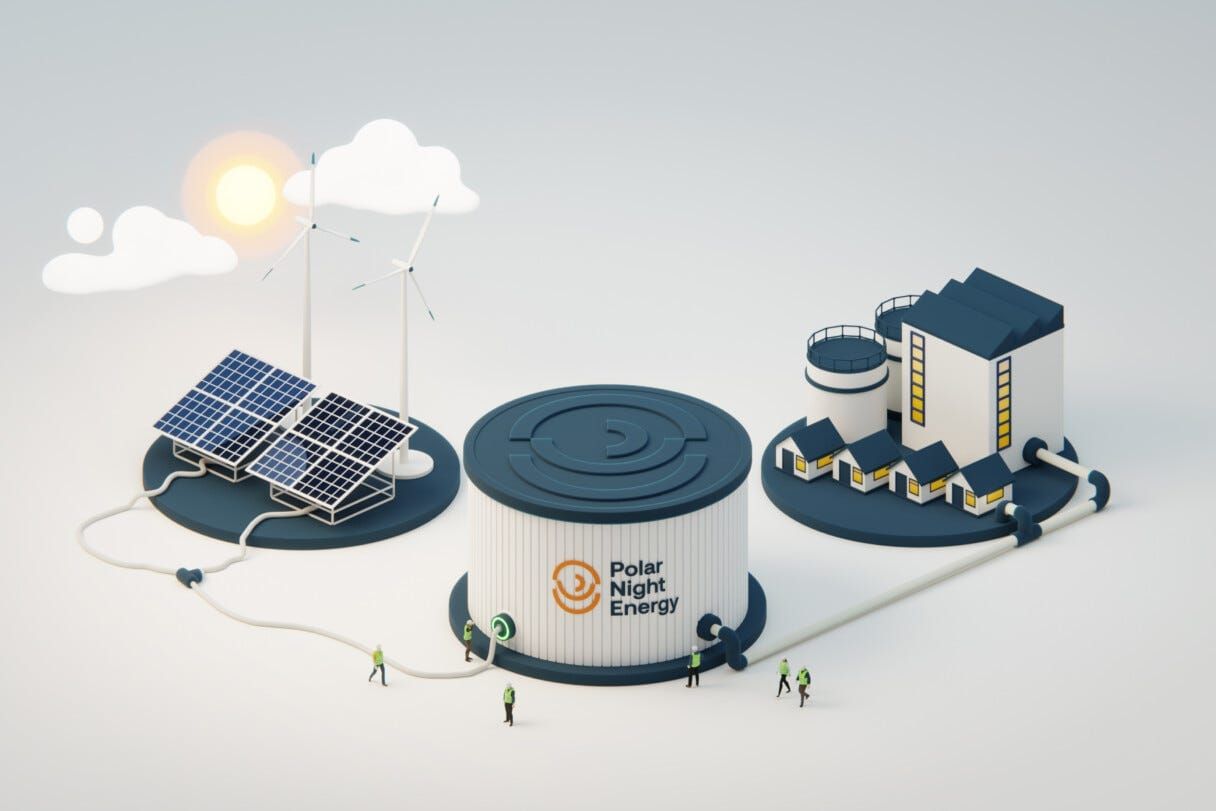
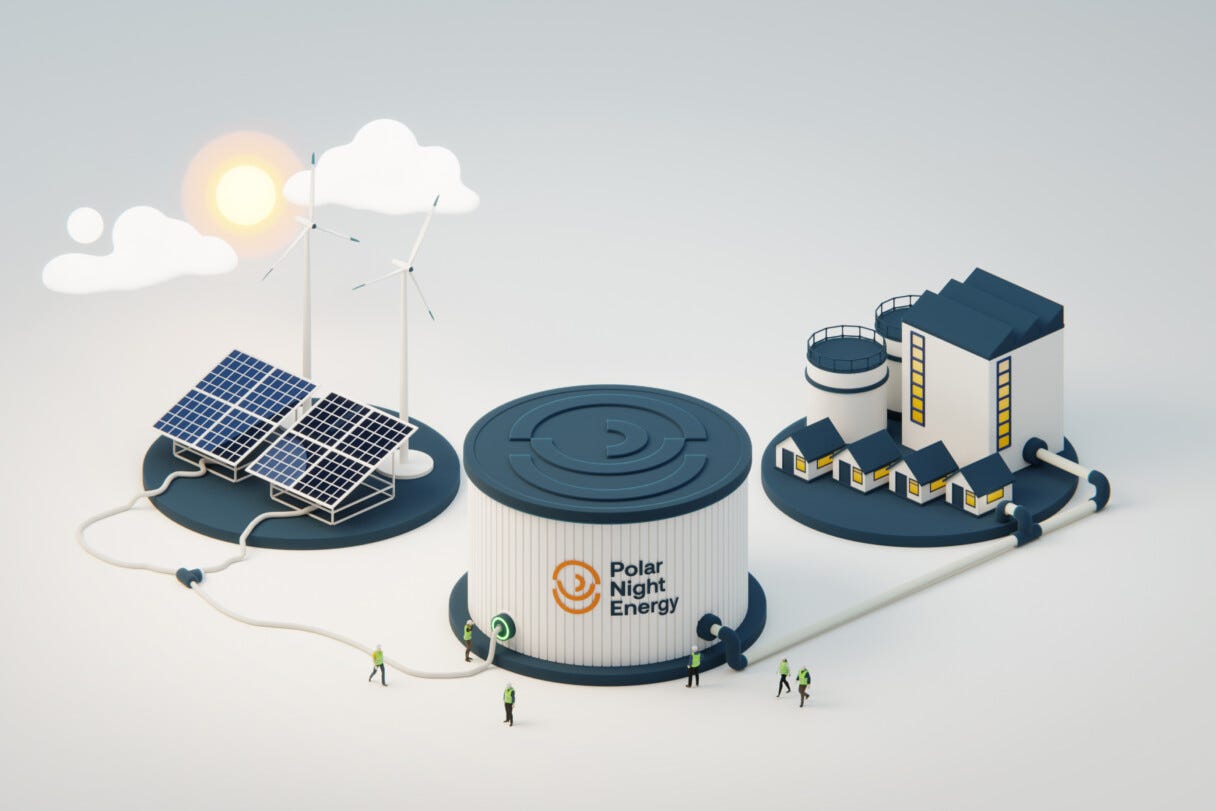
And if you like the sound of that, get a load of what sand batteries are about to do for power.
Distributed solar and home batteries
Subsidise rooftop solar and home battery installations. This creates thousands of small generation and storage points across the country. It reduces grid demand during peak times. And critically, you can deploy thousands of these systems simultaneously rather than waiting for one massive project.
Fast-track wind farms
New Zealand has extraordinary wind resources, particularly around Cook Strait. Wind often picks up during dry periods, making it an excellent complement to hydro. Wind farms can be operational in 2-3 years.
Geothermal expansion
We have significant untapped geothermal resources. Geothermal provides baseload power 24/7, regardless of whether it’s raining. It’s not intermittent. It’s renewable. My understanding is new geothermal plants can be operational in 2-3 years.
All of these options have something in common: they’re faster than gas, they’re often cheaper than gas, they don’t expose us to global fuel price volatility, they create local jobs, and they don’t require us to build fossil fuel infrastructure just as the rest of the world is moving away from it.
I understand the political appeal of gas. It feels familiar and certain. Wind and solar and batteries can seem flighty and idealistic.
But Simon Watts also had this to offer: It can take the economy up to 25 years to recover from inflated electricity prices.
Twenty. Five. Years. Why would we want to build infrastructure that will take 5 years to construct, will have high fixed costs that keep prices elevated, will expose us to volatile international gas markets, and will lock us into fossil fuel dependency for decades?
How about we try being inventive, resourceful, and properly 21st century in our thinking, and skip the 25 years of grief?
More to come about this very soon, but if you’re in Takapuna this Sunday, this is highly highly recommended