Junk mail aside, who doesn’t like getting something for nothing?
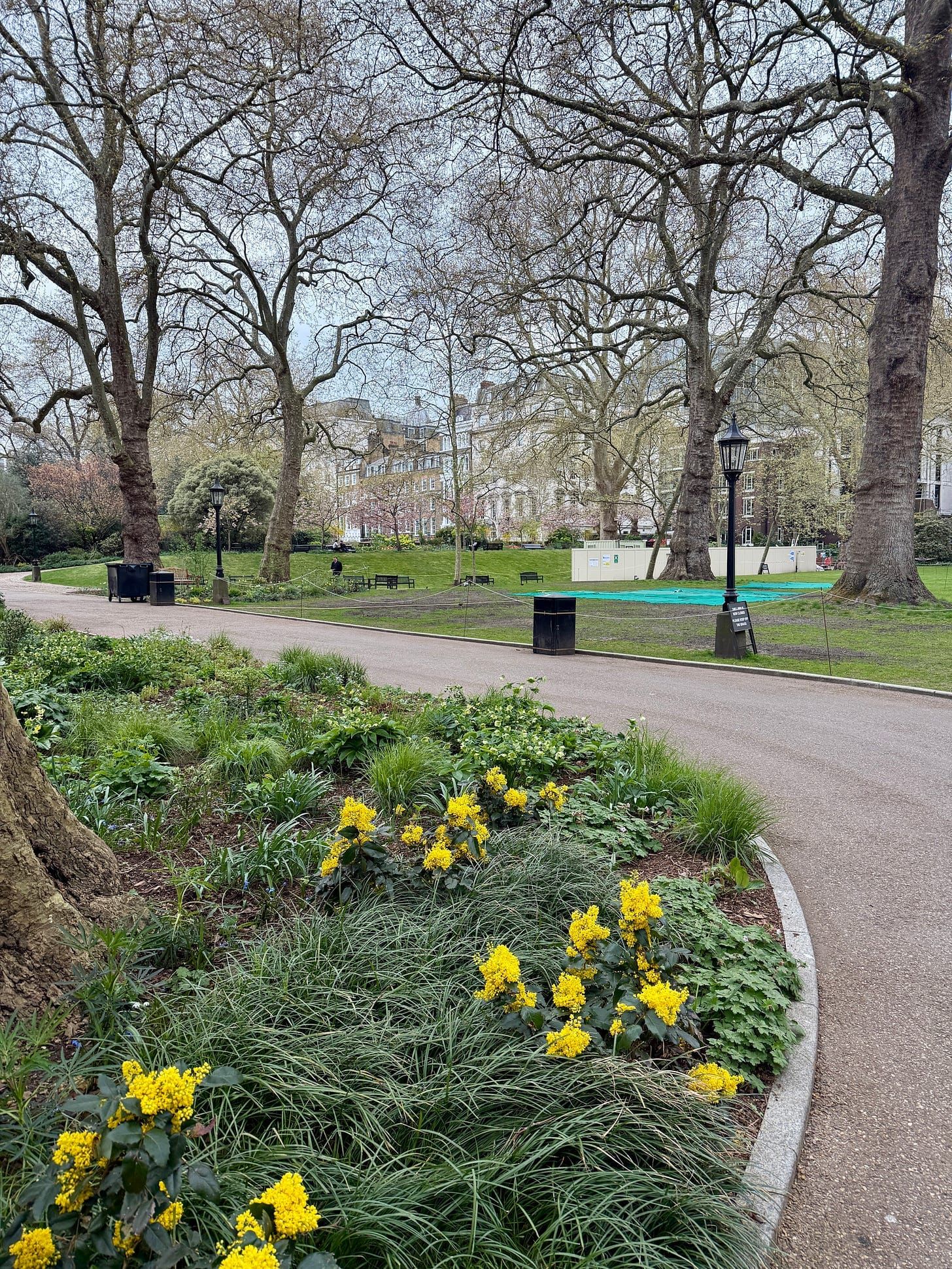
Often when I’m in a park I will think of the good people who came before us and declared, Never mind how much you could get for this prime bit of real estate. Let’s set it aside for everybody to enjoy. And while we’re at it, let’s plant some trees and some daffodils.
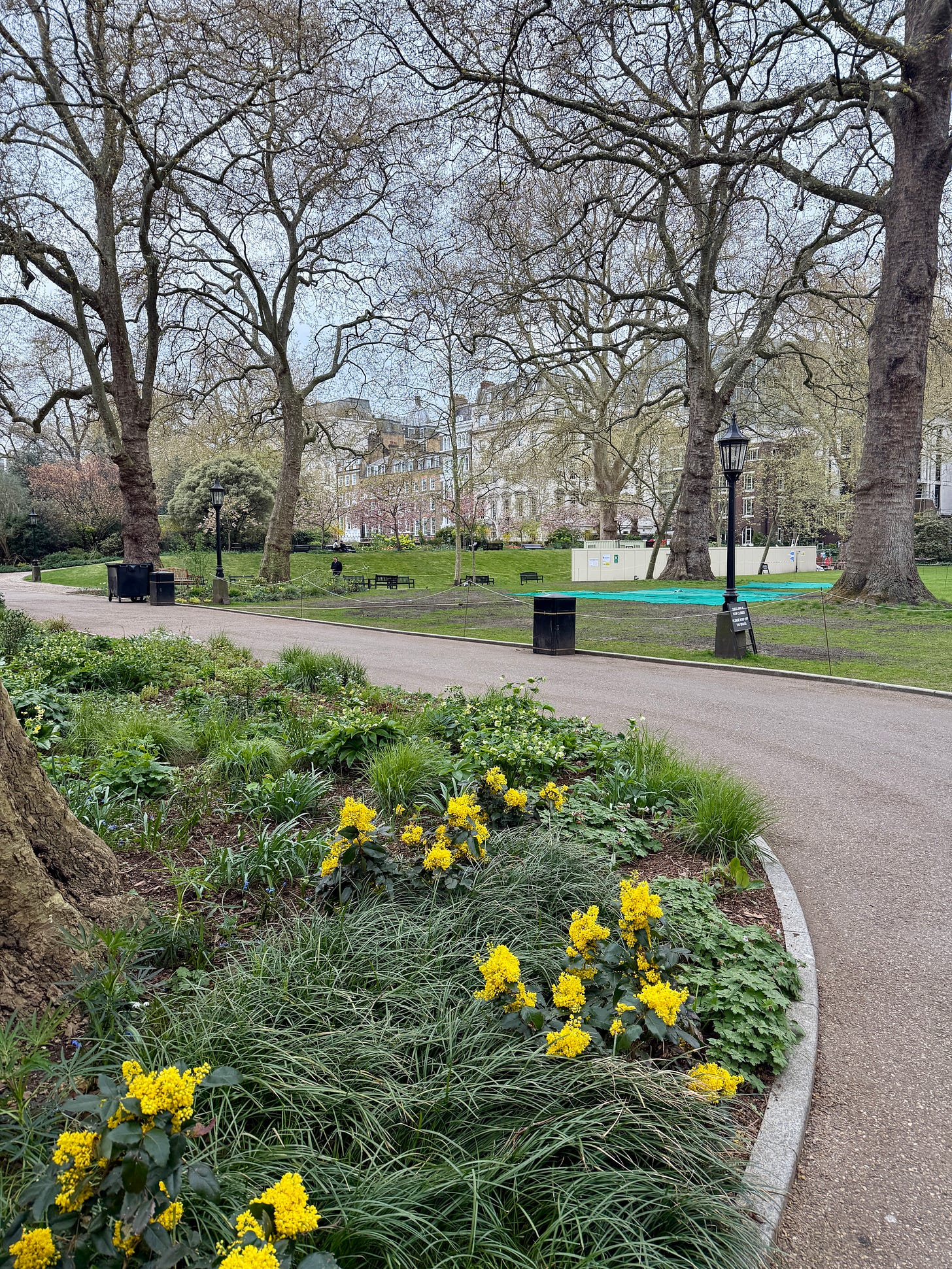
We very much like our free things, our parks; our concerts in the park; our libraries; our flu shots; our CT scans; our open heart surgery.
Often when I’m in a park I will find myself wondering how much we would manage to make free if we were starting today.
Would we still say, so readily: This would be good for us all, let’s just do it?
Would we still say, so readily: Let’s make education free for all our kids all the way to university?
Or would it get done down by the love songs of NewstalkZB and the comments section:
I’m not paying for something if someone else gets more of it than I do.
I’m not having my hard-earned money wasted on the kids you had when you couldn’t afford to have them etc
Could you even say that we are at least agreed that there is immense and undeniable value to our society in having free education for all? If you were to ask a dozen random people: What does free education contribute? What does it achieve? What is it for? I suspect the responses could be all manner of different notions.
Some might say:
It helps us all make the most of our lives,
and some might say:
So my apprentice can do the bloody paperwork on a WOF.
Free schooling in New Zealand, according to my research for Bullrush, had its beginnings in the late 1860s because the burghers of Auckland were unhappy with feral kids running wild in the back alleys of K Road.
We had a very good prime minister once who said:
Education is not enough if it teaches us how to make a living.
Education must teach us how to live.
We have one currently doing the job who seems incapable of seeing it as anything more than a tool for lifting GDP.
And we have an education minister who seems to have embraced everything the likes of Elizabeth Rata and the Maxim Institute have crafted for her in the loving image of an assimilationist 1950s New Zealand fit for Brylcreemed white men, obedient wives, and Maoris.
What I do know is that it greatly benefits us all to have education free to all and paid for by the state, and no one, if you asked them now, could imagine undoing it.
What I also believe is that what’s undeniably good for us all in having the state—you, me, and everybody—paying for education and making it free to everyone is an equally good model for two other fundamental elements of our daily existence.
This may prompt a fresh round of what you been smokin’, Dave but please hear me out. I think it’s worth it.
This newsletter remains very greatly much a believer in our enormous possibilities in the big wide green world of renewable energy.
To reprise:
What made Saudi Arabia ridiculously wealthy?
Oil, for energy.
And what does every economy everywhere need?
Energy.
And what is the future of energy, the one that the whole world is looking for? Renewable, sustainable, green energy.
And who is particularly well placed to produce such energy with its hydro dams and its potential for solar, and its long long coastlines sitting in the path of all that offshore wind?
Aotearoa New Zealand, that’s who.
I still imagine us all thriving thanks to abundant solar and wind and hydro energy, and storage options such as sand that are getting better and more affordable day by day.
(Just as an aside, even if I don’t declare it every time I write about this, I am very much conscious that continued growth as we know it is an untenable scenario for the planet. What I’m always wanting to explore here are workable transition options away from our collision course. I acknowledge the inherent tensions involved, and that vital considerations and riders must always be factored in, and I’m not advocating otherwise.)
So how about treating energy the way we treat the other free stuff - the parks and schools and CT scans?
What I propose is this: every household and business gets an allowance of free electricity.
It’d be enough to meet all your essential needs: heating, lighting, refrigeration, communication, basic productive work. If you wanted more, you’d pay, at cost, to make sure no one goes nuts and drives us broke.
The core infrastructure, the generation, transmission, storage, would get funded through our taxes and managed as a public utility. We’d stop worrying about investment getting ahead of demand and instead say: we are going to keep building more and more solar and wind farms because we cannot have too much of this, we are going to build it and see what comes.
And we shift the question from:
how can we maximise short-term profit
to:
how can we get more green power into the economy,
and:
what are all the ways we can use it to diversify and grow our economy?
Also, everyone gets enough power to stay healthy and warm. We treat energy as a public right, not a market product.
Maybe we go further yet and measure our economy not in GDP but in clean, green energy use. It really could be one hell of a good indicator of what’s going on in an economy.
And once we’ve got all this abundant energy to pour into EVs of all kinds from buses to bikes, let’s do the same with public transport.
Transport is often a household’s second-largest expense after housing. What if we just said: forget the fares? That money gets freed up for local spending, savings, investment. Every car trip avoided cuts emissions, reduces congestion, and lowers road maintenance costs.
When transport is free and accessible, mobility becomes a right, not a privilege.
Free primary and secondary education didn’t eliminate private tutoring or universities, but it did remove the barrier to basic participation, and it wildly expanded lives and possibilities.
Energy and transport could work exactly the same way.
Remove the barriers to entrepreneurship and employment.
Watch what the hell all happens.