I have been in the mood for some good news, and the universe has reliably delivered. A beautiful clear blue winter day; a negative Covid test for me; and the possibility — let’s not overstate it, but the possibility — that the days of certain social media giants might be numbered.
Thank you Universe.
The sense of possibility comes in the form of expert insight from New York computer science professor Cal Newport.
He sees it this way: the social media giants have ended up with a near monopoly in the internet marketplace thanks to a decade or more of getting us to help them build it.
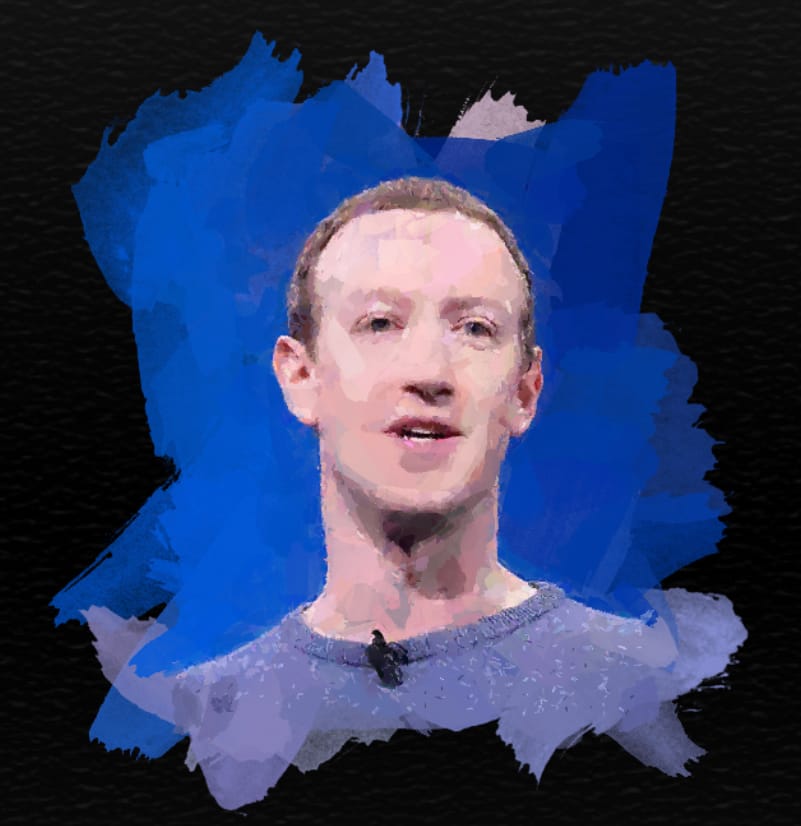
Millions upon millions of us did voluntary labour for Mark Zuckerberg, putting in our names, posting our pictures, connecting up to all our friends, letting him see every little thing we liked and didn't like and might pay for, and helping to assemble a truly colossal network of people that would surely be impossible for a prospective competitor to emulate.
We shared our birthday party invitations and photos on this diverting little app and we helped grow it into a monster too large for any government to contain, and too eager for all those beautiful dollars to countenance tuning its algorithm away from harm.
Click by click, the posts that tell lies and foster hatred get amplified. Why? Because the more people are clicking, the more money you make. And just how many millions upon millions of people have they got doing that clicking? Please refer back to the bit where we all helped built it for old mate Mark. We did it to ourselves.
But wait, what's this Cal Newport sees? He's looking at the huge popularity of TikTok and saying, how about that — they found a way to get huge without having to get millions upon millions of people to build the thing and share their every secret (which of course was what made it so appealing to the creeps at Cambridge Analytica, but never mind that, lets focus on the bit where Facebook meets its match and maybe gets turned into just some app you used to know).
Instead of doing the Facebook thing, building up elaborate social profiles of the users, Tik Tok just got machine learning to look at what people were clicking and work out what it told you about the user and their likes and interests. With that information they were equally well equipped to do what Facebook has been doing to make a buck, namely serving up more of what people like so that they’ll keep clicking.
And now that growth has stalled at Facebook and Instagram, they've been having a bit of an existential crisis and they’ve decided to be more like TikTok.
What Call Newport sees here is the dissolving of competitive advantage.
If they're going to move away from using all that painstakingly accumulated social data, he says, and instead fire random videos at the users to see what sticks, they’ll be on the same ground as all the others.
And what happens to a company that loses its competitive advantage? The short history of the digital world is full of tales of enterprises that looked so huge, so dominant, you couldn't imagine them ever being dislodged. But it keeps on happening.
Even though I know this to be true, though, I’ve doubted it could hold for Facebook. And yet, and yet, this gives me hope, it really does.
Very conveniently, and recently, somebody made an animation of the many great rises and falls of the digital era. I was going to put it up here, but damned if I can lay my hands on it. If anyone can help, I’d be much obliged.
It’s a bit like this one.
But in the one I’m thinking of, it’s purely online players. You see old names like MySpace and Netscape that you remember well, but also names that were equally as huge that you had quite entirely forgotten.
I very much like the notion that one day someone will say Facebook and I'll say, Facebook! There's a blast from the past!
I remember when they were enabling vaccine deniers and white supremacists and genocide. Whatever became of them?