There is more to tell about my drive to Masterton earlier this year.
The first stop was Turangi, to let my cousin Garth know about Mum, or rather to talk to him on the phone because I soon learned he was in the back country, which is where you will often find Turangi people on a work day.
Could he be the one to break the news to his Dad, Mum's brother?
Of course, he said, but are you sure you don't want to?
No, better from you, I said.
Next stop, Waiouru for coffee and how have I not until now clocked that it has a really nice Italian family restaurant? Lovely people.
Taking a seat to write about what’s happening, but first checking messages. That’s terrible about Rod Oram isn't it? they’re saying. This is the first I’m hearing of it, and I reel.
But then back to the keyboard then back on to the road, and as I come through Mangaweka, the town where Mum and her brother and sister and mother spent threadbare war years I’m thinking, No, I've got to go and see him.
An hour later I’m rolling up his drive in Feilding.
By the time you're 94, death is all around. Even when it's someone close, you're, well, hardly surprised, are you? A kind long hug, a beam, and come in he says, would you like coffee and he explains that he's only just back this minute from Lytton St Primary School. He is one of the grandparent helpers — but surely the only 94-year-old — patiently helping the kids with remedial reading.
We talked about what had happened, about how things had been for Mum in her last years.
He was moving slowly, he was recovering not all that well from heart surgery a few months ago, he was living on a hospital bed in his living room.
But he had no great interest in dwelling on that, he wanted to talk about the Trump and his election prospects, he wanted to talk about Ukraine, he wanted to talk about what he had been listening to on a podcast. For my whole lifetime, this has been the person in our family you could go to for the longest exchanges about what’s new in the world, what’s to be done about this problem or that.
He was an energetic member of the National Party for years, worked with Simon Power as his campaign manager — hope I’m remembering that right — but we were never at political loggerheads in our conversations. They were always constructive, forward-looking. He was worrying about climate change before almost anyone I know.
Once you know the service details, let me know he said, I can get a ride down. Friends came and collected him and his wheelchair and drove him down to Masterton. He talked and talked and talked and smiled and was warm to everyone because always at gatherings he has been the one who will say well we must be going and still be talking an hour later. I was so glad he'd been able to make it, infirm as he was; he was clearly glad of it too.
And then it was done and we were picking up again, still dazed, driving back through Feilding back through Waiouru back through Turangi, back home to get ready to leave for the other side of the world, and all going smoothly enough after COVID and a funeral until Karren's stepfather Peter had a hip operation and then developed sepsis and things began to look grave. And in the midst of all that, Garth rang to say Hi, how are you all doing, sorry I couldn't be there and after we'd been chatting for about half an hour, said actually John hadn't been home since he left the funeral, he had taken a turn and gone straight to hospital and now three weeks later he was still there.
We pressed on all the way to London hoping for the best, braced for something else.
Peter recovered, John did not. The end came somewhere in the midst of our going to St Paul's and giving Mary Margaret the card from her grandmother and remembering her in the hush of Evensong.
You are only reading about this now because at that time, in that moment, it felt too hard to find the words for all of it, to give due tribute. Not only Mum, and John, but also friends Rod, and Fleur, too, just our age, her daughter the same age as Mary-Margaret, the words of farewell to her mother just heart-aching.
Not just now, was how I was feeling; in a moment, or a month, or some later time.
This is that later time.
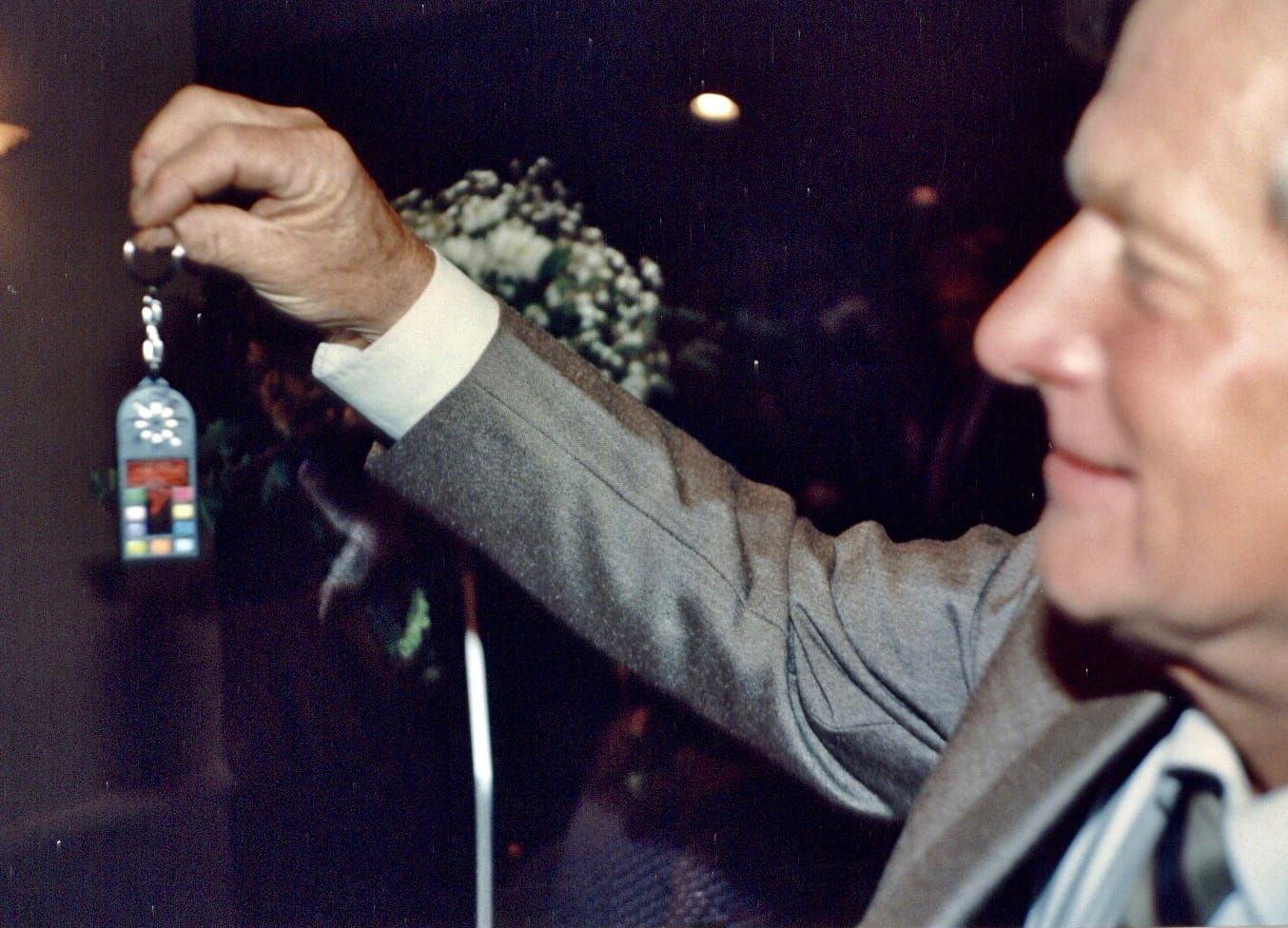
There is so much that you could say about John, and I know they did; about the boy who looked after the family while their Dad was away at the war; about the young man who walked the house cow up from Mangaweka when they moved onto the hill country rehab farm in Rangiwahia; about the young man who went to Massey to study agriculture and came back full of plans for diversifying that began with potato cropping, and his mother — the one who got them through the war on next to nothing — patiently cutting all the seed potatoes in half with a kitchen knife to make the money go further on the first crop; about him looking at the snow all about them in the Ruahines and saying why don’t we make a ski field, and then okay, how are we going to make this happen? and doing it, and then, when that seemed like not quite enough, going and building a hut on Whakapapa, one that holds his black and white photos in a display case to this today, memorialising the effort.
He was patient, he was determined. He worked his way through an auto mechanics course at night because you can't always get someone to fix the truck or the tractor. He was endlessly curious, he was forever open to new technologies and ideas. In retirement he went back to Massey and studied computer science.
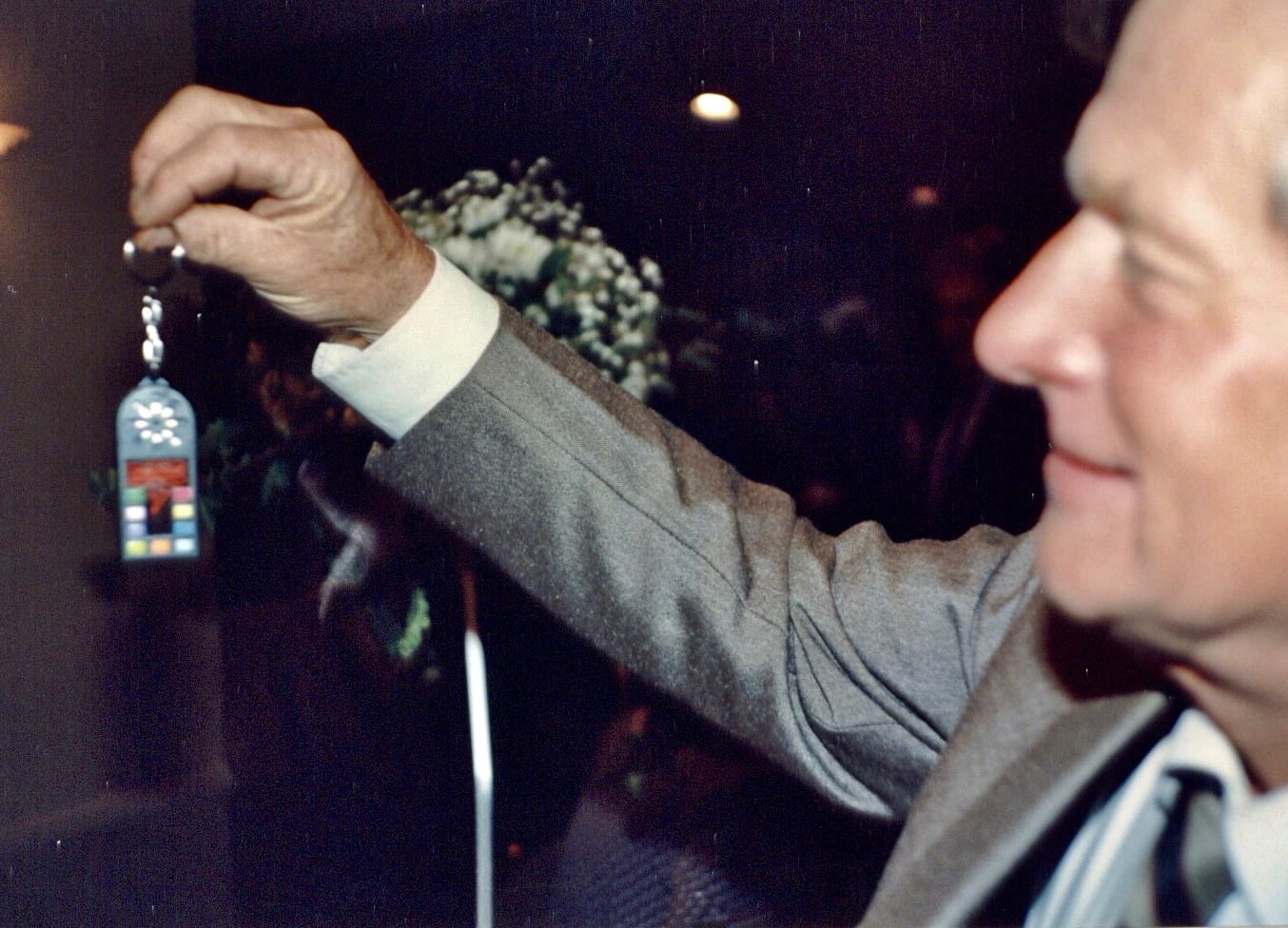
And he was a community person in the best meaning of those words: an enthusiast, an encourager, a person who would ask: Well what specifically are we going to do? and then see it through until it was done.
But the testimony that matters most for me is that he gave me my first real job. And in the doing of that, he helped me find my way into the world.
I went up there each summer as a teenager to help with the potato cropping. It was a different sort of farming from the one I knew, much more reliant on machinery: heavy trucks, forklifts, motorbikes, and you mastered all of them and felt more confident with each step. Long, long days, up before dawn, not home until after sunset. It was an initiation.
And it was a thousand conversations. Where Dad was quieter and taught me mostly by example, John taught me in conversation. This was a revelation: to have an adult who would respond so comprehensively to whatever I raised, hear me out, listen with genuine interest, give his insight, share his knowledge.
For the rest of our lives we would meet warmly as relatives in the usual way and yarn, but for those few summers the exchanges were magnitudes more meaningful.
I didn't grasp it then but I do now, a lifetime later, contemplating the way he was still helping those school kids and the way he was always fascinated to hear from young people about what was new, what they were studying, what they were planning to do. This was living in the largest way, an eye forever towards the future, with enthusiasm, with a genuine interest in and care for others.
I thanked him for it, more than once, and it was heartfelt. But the best thing you can do with something like this, surely, is share it; to keep the spirit going.
So that’s what I’m doing, because you really can’t have too much of it in this world.
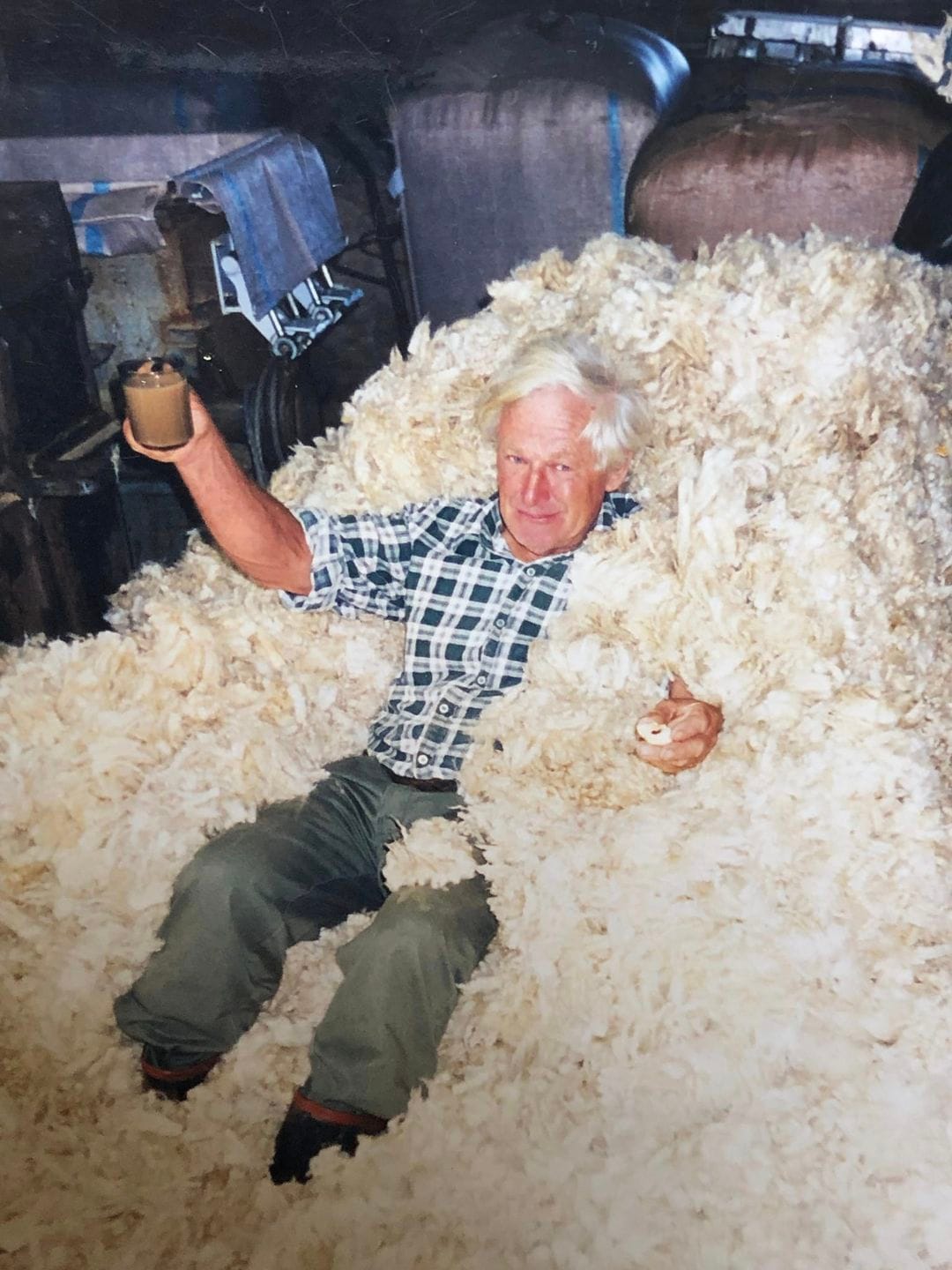
This comes from the album I heard a million times on my first summer in the hills.
Also want to say a big hello to reader David Geary, lately of Canada but back then living not half a mile up the road from there. Regret that I had no idea at the time :)